Namib–Naukluft National Park, one of the largest conservation areas in Africa, is a breathtaking blend of desert wilderness, dramatic mountain ranges, and surreal landscapes that showcase the raw beauty of Namibia. Covering nearly 50,000 square kilometers, the park stretches across the western edge of the country and protects vast portions of the Namib Desert, believed to be the world’s oldest desert. With its towering dunes, rocky canyons, salt pans, and wild coastal stretches, Namib–Naukluft offers a safari experience unlike anywhere else on Earth—mysterious, cinematic, and deeply inspiring.
The park’s most iconic attraction is Sossusvlei, a spectacular clay and salt pan surrounded by some of the highest sand dunes in the world. These dunes—such as Dune 45, Big Daddy, and Big Mama—glow in brilliant shades of orange, red, and gold as the sun rises and sets, creating some of the most photographed scenery in Africa. Visitors can climb these dunes for panoramic views of the desert or explore the remarkable Deadvlei, a white clay pan dotted with hundreds of ancient, blackened camel-thorn trees that have stood lifeless for nearly 900 years. The stark contrast of white pan, dark trees, and fiery dunes under a deep blue sky creates a surreal, otherworldly landscape that seems frozen in time.
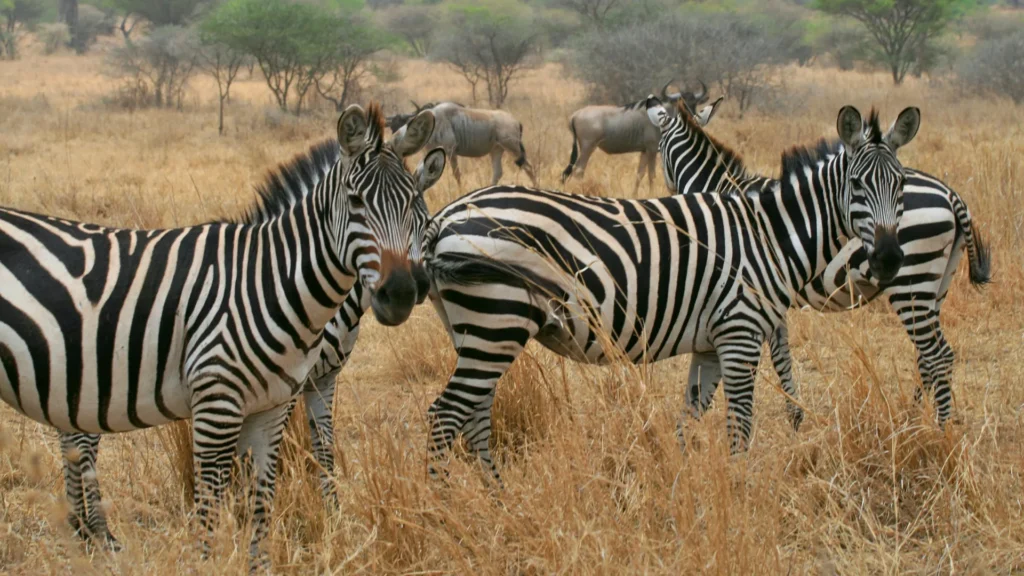
Beyond Sossusvlei, the park features the rugged Naukluft Mountains, a dramatic range carved by time and erosion. The mountains offer deep gorges, clear natural pools, and hiking trails that reveal hidden waterfalls and lush pockets of vegetation supported by underground springs. This region is a sanctuary for mountain zebra, kudu, baboons, and a variety of birdlife, making it a rewarding destination for hikers, nature lovers, and photographers seeking dramatic scenery far from the crowds.
The park also includes a portion of the remote Skeleton Coast, where towering dunes meet the wild Atlantic Ocean. This coastline is known for its shipwrecks, dense fogs, and colonies of Cape fur seals—remnants of the region’s dangerous maritime past. The coastal desert is home to unique plant species such as the ancient Welwitschia mirabilis, one of the world’s oldest living plants, sometimes estimated to be over a thousand years old. These adapted species showcase how life survives in some of the harshest conditions on Earth.
Wildlife in Namib–Naukluft is uniquely adapted to desert life. Visitors may encounter oryx, springbok, ostriches, jackals, hyenas, and a variety of reptiles and birds that have evolved to thrive in extreme heat and dryness. Specialized desert creatures—like the dancing Namaqua chameleon or the fog-basking beetle—highlight the desert’s hidden biodiversity. Despite the harsh environment, the park’s wildlife thrives thanks to fog from the Atlantic, underground water sources, and the resilience of desert-adapted species.
Namib–Naukluft is also rich in human history, with ancient rock engravings, colonial-era relics, and stories of early desert explorers woven into its identity. The region’s cultural heritage can be explored through nearby communities and historical sites that reflect Namibia’s long-standing relationship with the land.
Accessible by road or small aircraft, the park is a top destination for travelers seeking world-class landscapes, luxury desert lodges, aerial scenic flights, photography tours, and unforgettable outdoor adventures. Whether you’re hiking through canyon ravines, climbing wind-sculpted dunes, or watching sunrise over the endless desert horizon, Namib–Naukluft National Park offers a once-in-a-lifetime encounter with some of the most dramatic natural scenery in Africa.
Available Tours in Namib-Naukluft National Park
2 tours available

The Ultimate Self-Drive Through Namibia