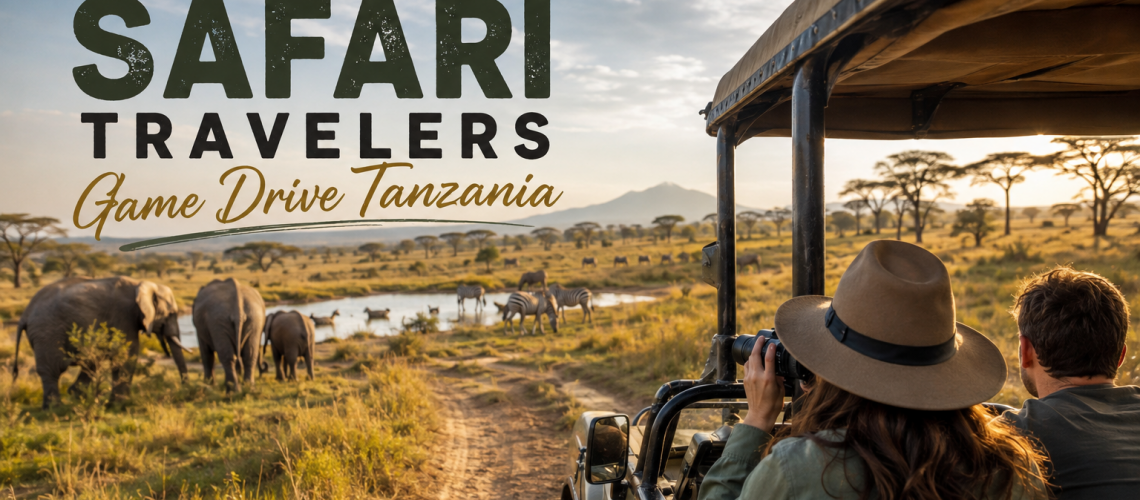
First-Time Tanzania Safari Guide: Everything You Need to Know
Your first safari is a big deal — and a little planning goes a long way toward making it unforgettable instead of overwhelming. Tanzania is one of the best places on Earth to do it. It’s home to the Serengeti, the Ngorongoro Crater, and the Great Migration, and it has decades of safari infrastructure built specifically for travelers exactly like you.
Still, first-timers usually have the same questions: Which parks should I visit? When should I go? What do I pack? Is it safe? This guide answers all of it, so you can book your first Tanzania safari with confidence.
Why Tanzania Is a Great Choice for a First Safari
Tanzania is often recommended as the best starting point for new safari travelers, and for a few clear reasons:
- World-class wildlife density. The Serengeti and Ngorongoro Crater offer some of the most reliable Big Five sightings on the continent.
- Established infrastructure. Decades of tourism mean experienced guides, well-maintained roads within parks, and a wide range of accommodation options.
- Variety in one trip. You can combine wildlife parks, cultural experiences, and a beach extension in Zanzibar without ever leaving the country.
- Year-round wildlife viewing. Unlike some destinations, Tanzania has something worth seeing in every season.
Which National Parks Should You Visit First?
Tanzania has more than a dozen national parks, but first-time visitors usually focus on the Northern Circuit, since it packs the most wildlife into the least travel time.
- Serengeti National Park. The main event. Endless plains, huge cat populations, and — depending on timing — the Great Migration.
- Ngorongoro Crater. A collapsed volcanic caldera packed with wildlife in a compact area. Excellent for spotting the Big Five in a single day.
- Tarangire National Park. Known for massive elephant herds and ancient baobab trees. Quieter than the Serengeti, with a different landscape.
- Lake Manyara National Park. A smaller, lush park famous for tree-climbing lions and flamingo-covered shorelines.
A well-designed first safari usually combines three or four of these parks over 5–7 days, giving you enough time in each without feeling rushed.
When Should You Go on Your First Safari?
Tanzania is a year-round destination, but timing changes what you’ll see:
- June–October (dry season): The most popular time to visit. Wildlife concentrates around water sources, making sightings easier. This is also peak season for Mara River crossings from July onward.
- January–February: Calving season in the southern Serengeti — incredible for predator action and newborn wildlife.
- March–May (green season): Fewer crowds, lower rates, and lush, photogenic landscapes. Some rain, but wildlife viewing remains strong.
- November: A quieter shoulder season as the short rains begin and herds start moving south again.
For a first safari, dry season (June–October) is the easiest and most predictable choice. If you want lower costs and don’t mind the occasional rain shower, the green season is excellent value.
What Does a Typical Safari Day Look Like?
If you’ve never been on safari, the daily rhythm is simpler than you might expect:
- Early morning game drive. Most wildlife is most active at dawn, so drives often start before sunrise.
- Breakfast and rest. Back at camp or lodge by mid-morning for breakfast and downtime during the hottest hours.
- Afternoon game drive. A second drive, often lasting until sunset, when predators become active again.
- Dinner and stargazing. Evenings are relaxed, with dinner at camp and some of the clearest night skies you’ll ever see.
Your guide sets the pace, and most itineraries build in flexibility if you want to linger at a great sighting or head back early.
Do You Need a Visa for Tanzania?
Most travelers need a visa to enter Tanzania. The two main options are:
- E-visa (recommended): Apply online in advance through Tanzania’s official immigration portal. Processing typically takes about a week, so apply at least three to four weeks before departure.
- Visa on arrival: Available for many nationalities at major airports, though processing times can vary.
Visa fees are generally around $50 USD, though some nationalities (including US passport holders) pay more for a multiple-entry visa. If your trip includes Zanzibar, note that it falls under the same Tanzania visa — no separate visa is needed for the islands. Always confirm current requirements with the official Tanzania immigration website or your safari operator before booking, since rules can change.
What Should You Pack for Your First Safari?
Packing light but smart makes a big difference on safari. A solid starter list includes:
- Neutral-colored clothing (khaki, olive, tan) — avoid bright colors and pure white, which stand out to wildlife
- A warm layer for early morning game drives, even in the dry season
- Comfortable, closed-toe shoes
- Sunscreen, a hat, and sunglasses
- Binoculars — genuinely essential for spotting distant wildlife
- A camera with a zoom lens, if photography matters to you
- Malaria prophylaxis, as recommended by your doctor
- A basic first-aid kit and any personal medications
Most camps offer laundry service, so you can pack lighter than you’d think for a week-long trip.
Is Tanzania Safe for First-Time Travelers?
Yes. Tanzania has a long, well-established safari industry, and reputable operators prioritize guest safety at every stage — from experienced guides and well-maintained vehicles to clear communication throughout your trip. As with any international travel, sensible precautions apply: keep valuables secure, follow your guide’s instructions in the parks, and check your government’s latest travel advisories before departure.
Common First-Timer Mistakes to Avoid
- Packing too much. A week-long safari rarely needs more than a carry-on and a soft duffel bag.
- Overpacking your itinerary. Trying to see too many parks in too few days means more driving and less time actually watching wildlife.
- Skipping travel insurance. Given the remote locations involved, insurance that covers medical evacuation is worth the cost.
- Booking with an unreliable operator. Choose a company with local, on-the-ground expertise rather than a generic international reseller.
Ready to Plan Your First Tanzania Safari?
A first safari should feel exciting, not overwhelming — and the right local team makes all the difference. At Safaris With a Heart, our Tanzania-based specialists build first-time-friendly itineraries around your interests, comfort level, and budget, and guide you through every practical detail before you even land.
Start planning your first Tanzania safari with a team that knows the parks inside and out.
