
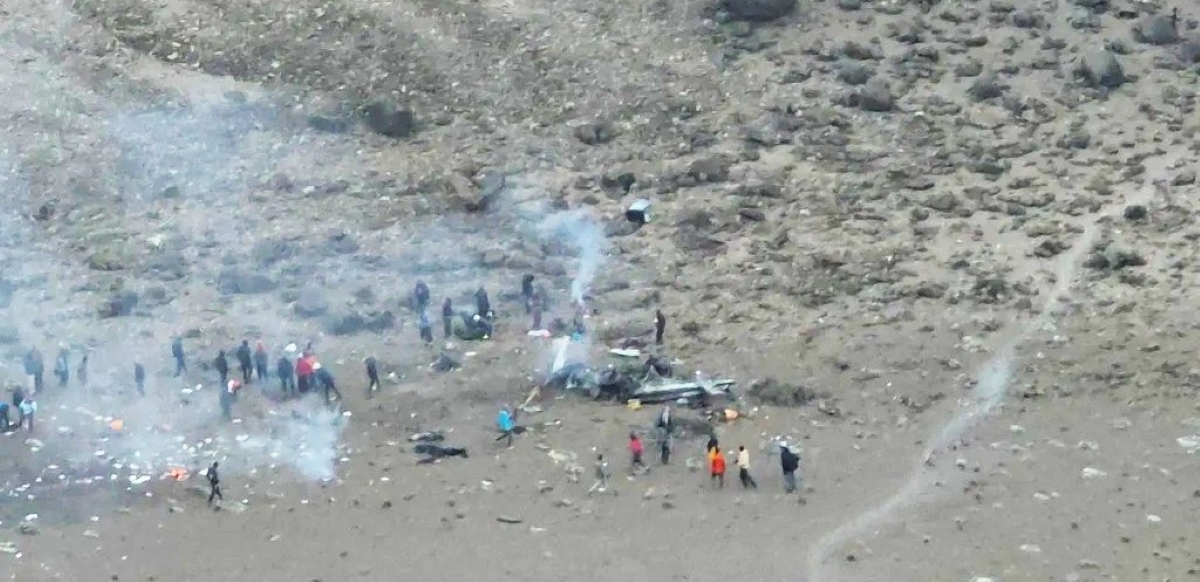
Mount Kilimanjaro, Africa’s highest peak and one of the world’s most iconic trekking destinations, was shaken by a tragic helicopter crash that occurred during a routine high-altitude operation. The incident has raised global concern among travelers, climbers, and tour operators alike.
At Safaris With A Heart, safety, transparency, and responsible tourism are at the core of everything we do. This article explains what happened, why helicopter flights operate on Kilimanjaro, and what this means for climbers planning their journey.
What Happened in the Kilimanjaro Helicopter Crash?
According to official reports, a helicopter operating on Mount Kilimanjaro was involved in a fatal crash while carrying out a high-altitude mission. The aircraft was reportedly engaged in either a medical evacuation (MEDEVAC) or logistical support near the upper slopes of the mountain.
Due to Kilimanjaro’s extreme altitude, unpredictable weather, and thin air, helicopter operations are among the most challenging aviation tasks in the world.
Authorities launched an immediate investigation to determine:
-
Weather conditions at the time of the crash
-
Aircraft performance at high altitude
-
Operational procedures and safety protocols
Why Helicopters Are Used on Mount Kilimanjaro
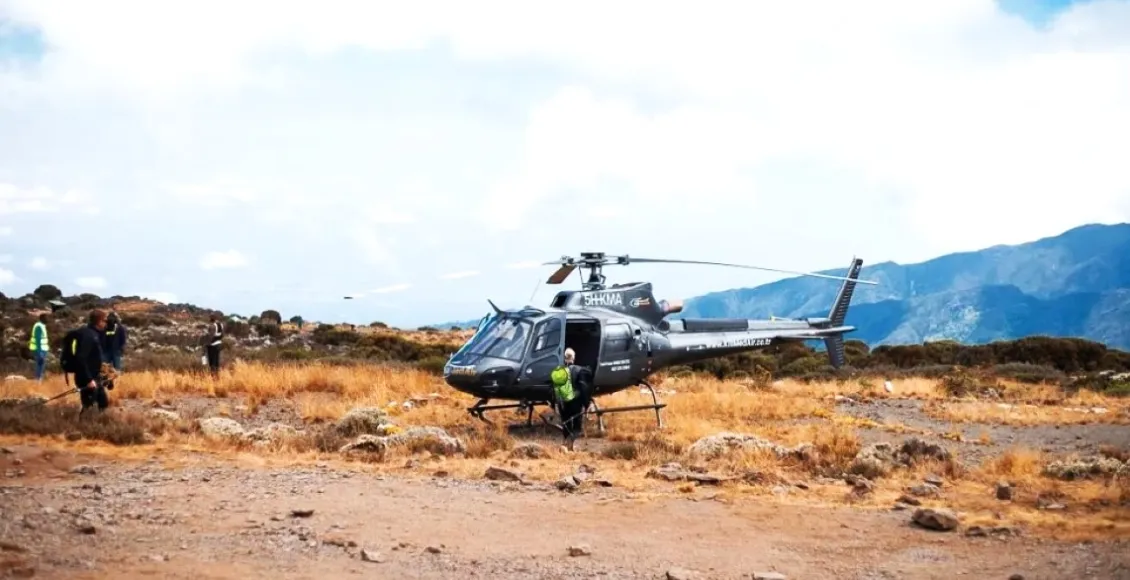
Helicopters on Kilimanjaro are not tourist sightseeing flights. They are primarily used for:
-
Emergency medical evacuations
-
Search and rescue missions
-
Transport of injured climbers
-
Support for park authorities
Due to the mountain’s height (5,895 meters / 19,341 feet), helicopters can only land at specific zones, and even then, only under optimal conditions.
Is Climbing Mount Kilimanjaro Still Safe?
Yes — climbing Mount Kilimanjaro remains safe when done with:
-
Licensed operators
-
Experienced local guides
-
Proper acclimatization schedules
The helicopter crash, while tragic, was an aviation incident, not a failure of trekking routes or guiding operations.
At Safaris With A Heart, we strictly follow:
-
Tanzania National Parks Authority (TANAPA) regulations
-
Certified guide-to-client ratios
-
Conservative ascent profiles to reduce altitude sickness
Kilimanjaro Safety Measures Every Climber Should Know
🩺 Altitude Management
-
“Climb high, sleep low” itineraries
-
Extra acclimatization days
-
Daily health checks (oxygen levels, heart rate)
🚑 Emergency Protocols
-
Ground evacuations are the primary method
-
Helicopter evacuation used only when medically necessary
-
Guides trained in wilderness first aid
🏔️ Professional Local Guides
Our guides are born and trained in Tanzania, with years of experience navigating Kilimanjaro’s terrain and weather patterns.
Why Responsible Tour Operators Matter More Than Ever
Incidents like this highlight the importance of choosing an operator that:
-
Prioritizes safety over speed
-
Uses proper equipment
-
Works closely with park authorities
-
Maintains emergency response plans
Safaris With A Heart is committed to ethical tourism, fair porter treatment, and environmentally responsible climbing practices.
Frequently Asked Questions (FAQ)
Do all Kilimanjaro climbs include helicopter evacuation?
No. Helicopter evacuation is only used in extreme cases and depends on weather, altitude, and medical urgency.
What is the safest route on Mount Kilimanjaro?
Routes like Lemosho and Northern Circuit offer better acclimatization and higher summit success rates.
Should this incident discourage travelers from climbing Kilimanjaro?
No. Millions have safely climbed Kilimanjaro. Choosing a reputable operator significantly reduces risk.
Final Thoughts from Safaris With A Heart
Every adventure carries risk, but knowledge, preparation, and responsible guiding save lives.
We honor those affected by this tragedy and reaffirm our commitment to:
-
Safety
-
Transparency
-
High-quality, heart-led adventures in Tanzania
If you are planning to climb Mount Kilimanjaro or explore Tanzania’s wildlife safaris, our team is here to guide you responsibly — every step of the way.