Climb Kilimanjaro — Your Journey to the Roof of Africa
Expert-guided treks, ethical support, and memories that last a lifetime.
The Ultimate Kilimanjaro Climbing Guide for 2025-2026
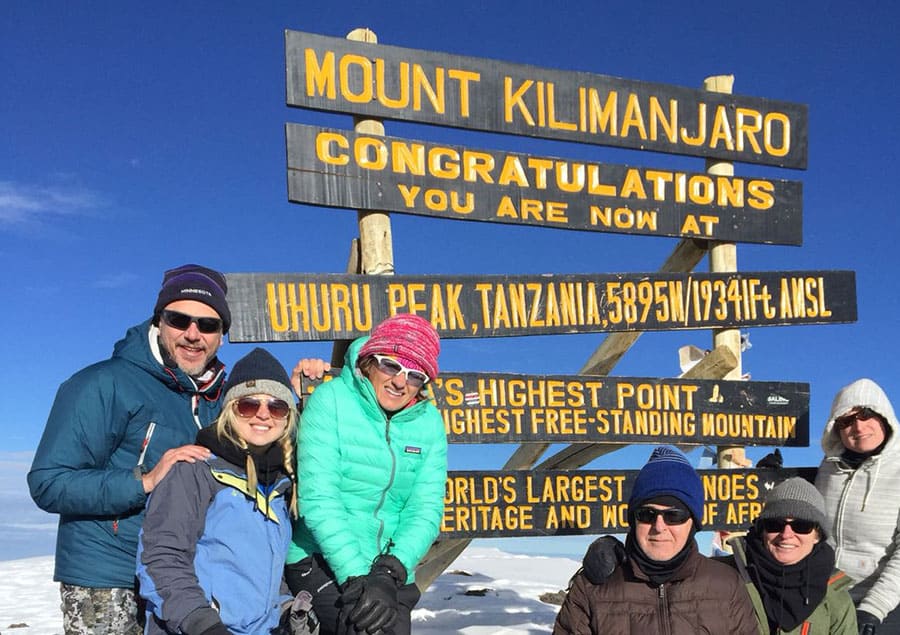
Mount Kilimanjaro, towering at 5,895 m (19,340 ft) above sea level, is Africa’s highest peak and the world’s tallest free-standing mountain. Often referred to as the “Roof of Africa,” Kilimanjaro attracts over 40,000 visitors annually due to its stunning beauty and non-technical climbing requirements. Aspiring mountaineers with average fitness levels can successfully reach the summit, making Kilimanjaro a popular starting point for Seven Summits adventurers. Some climbers even consider consulting services to Seminararbeit schreiben lassen – “Seminararbeit schreiben lassen” means “have a seminar paper written” in German – to save time before their journey.
This comprehensive guide draws on years of experience to help climbers effectively prepare for their unforgettable Kilimanjaro journey. It provides valuable recommendations on physical training, selecting the appropriate route, essential gear, and choosing a reliable guiding service to ensure a safe and rewarding expedition.
Climbing Mount Kilimanjaro: Everything You Need to Know
(Safari With a Heart — Responsible, Expert-Guided Treks to the Roof of Africa)
How Hard Is It to Climb Mount Kilimanjaro?
Climbing Mount Kilimanjaro is a true adventure — challenging yet achievable for most people with moderate fitness. Unlike technical mountains, Kilimanjaro requires no ropes or climbing skills, only determination, preparation, and the right acclimatization plan.
Routes like Lemosho, Machame, Rongai, and the Northern Circuit have the highest summit success rates, thanks to their gradual elevation gain and scenic variety. Choosing a 7–8 day itinerary gives your body ample time to adapt to altitude, reducing the risk of Acute Mountain Sickness (AMS) and increasing your chance of standing proudly at Uhuru Peak.
Can Beginners Climb Kilimanjaro?
Absolutely. Beginners are welcome — many climbers reach the summit with no prior trekking experience. The key isn’t experience, but pacing, acclimatization, and a professional team.
At Safari With a Heart, we pair you with certified Wilderness First Responder (WFR) guides, trained to monitor your health and safety every step of the way. Our itineraries are designed for optimal acclimatization, giving you the best chance of success and a life-changing journey to Africa’s highest point.
💡 Tip: Want to prepare like a pro? Download our free Kilimanjaro Training & Fitness Guide to help you get mountain-ready.

Kilimanjaro Day-by-Day: What to Expect
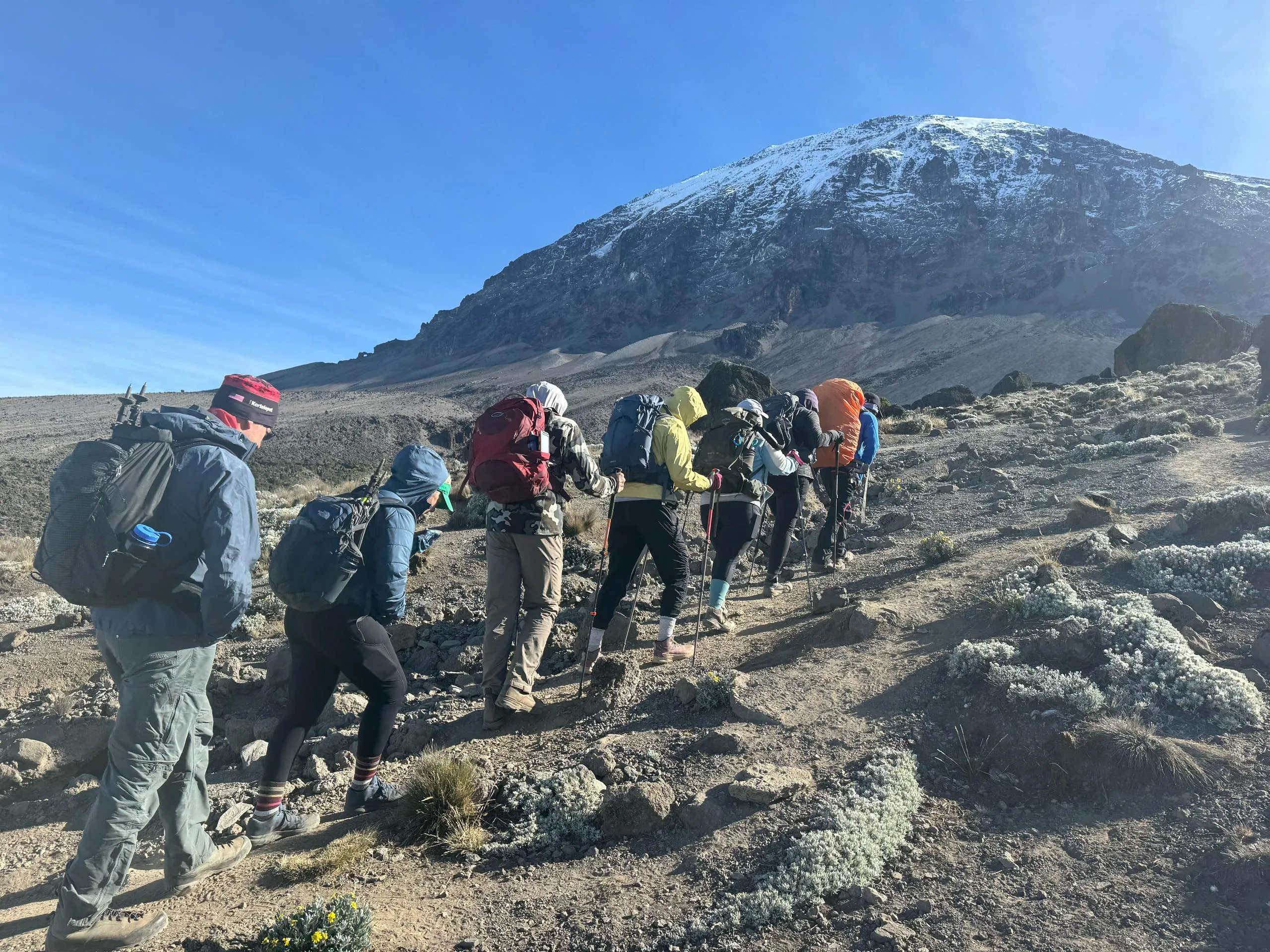
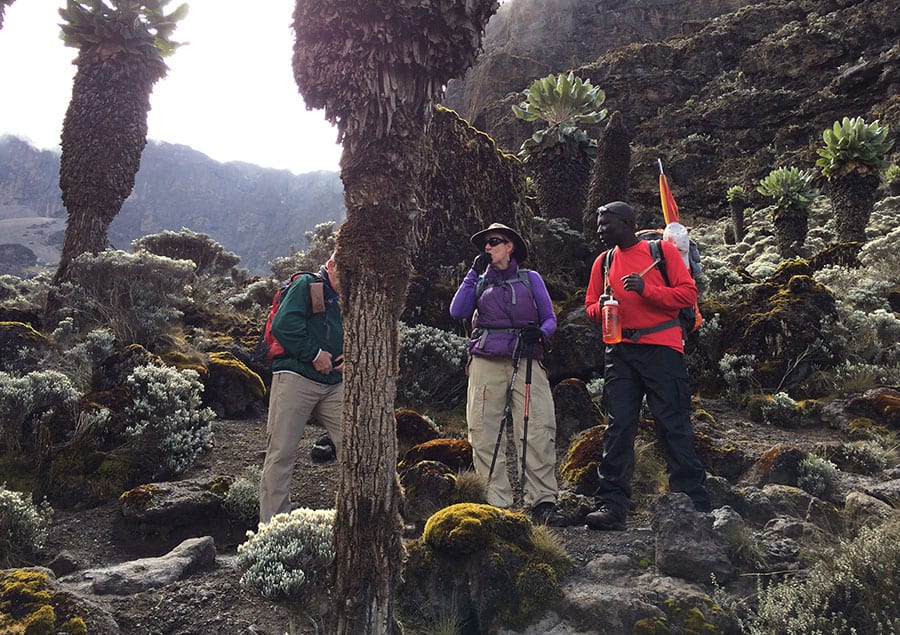
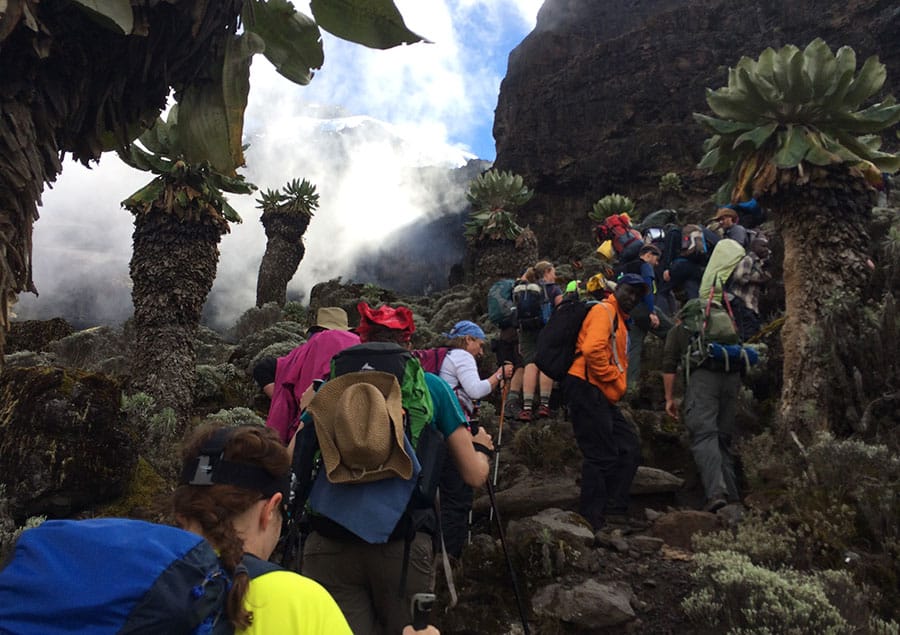
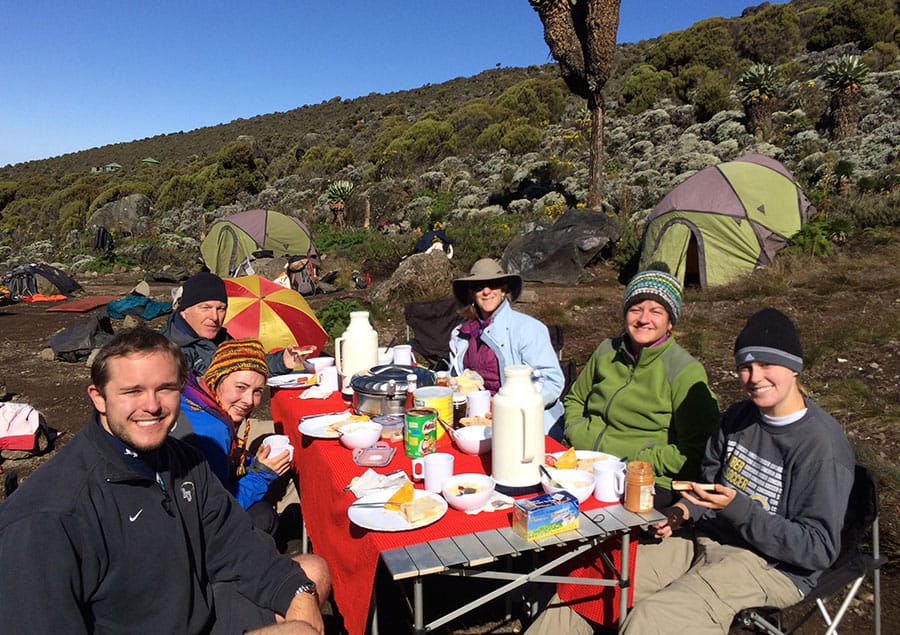
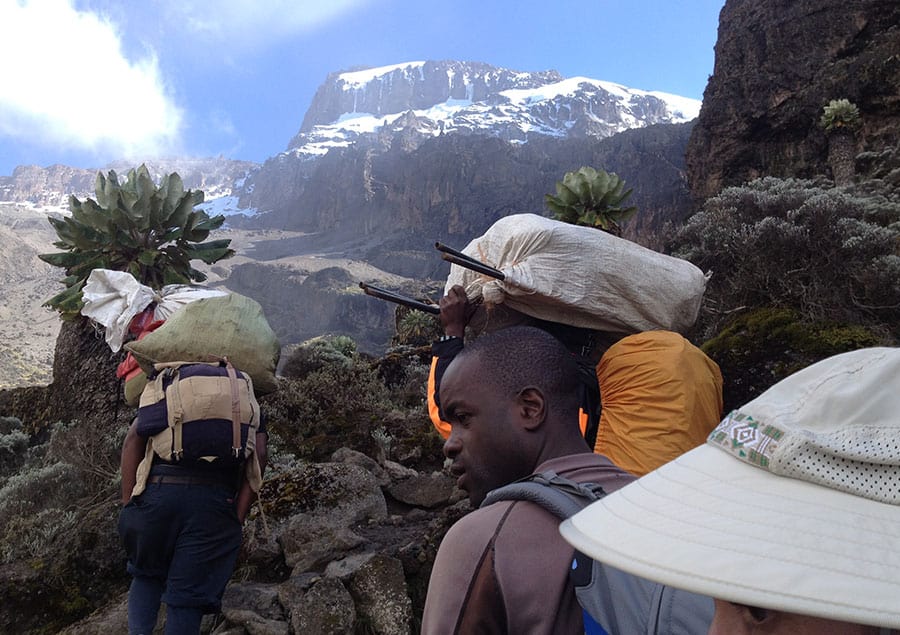
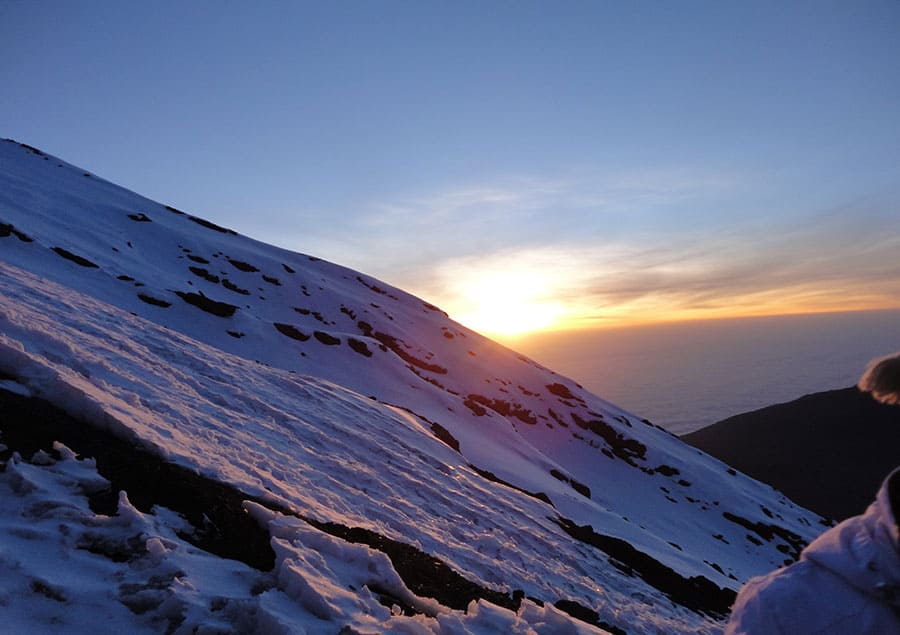
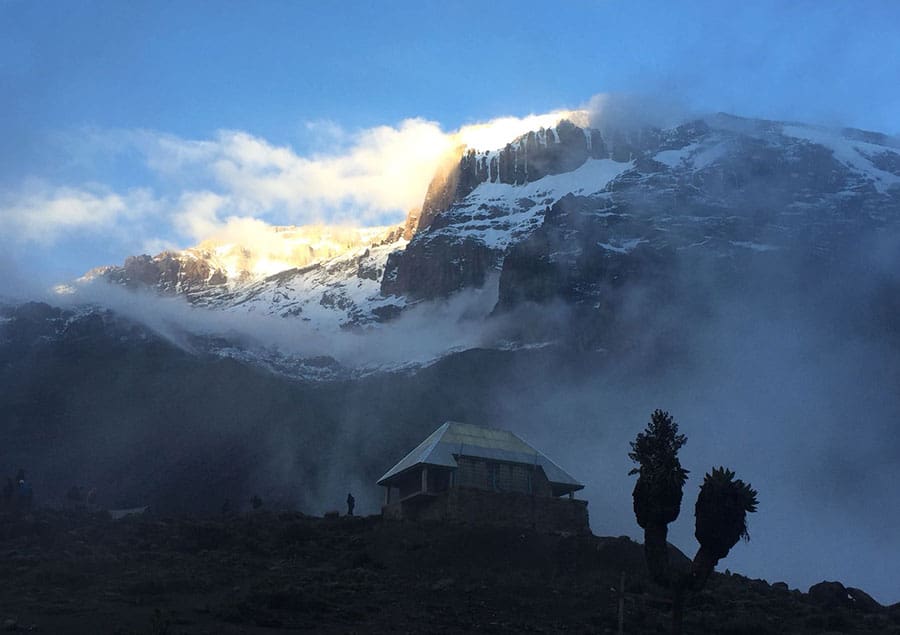
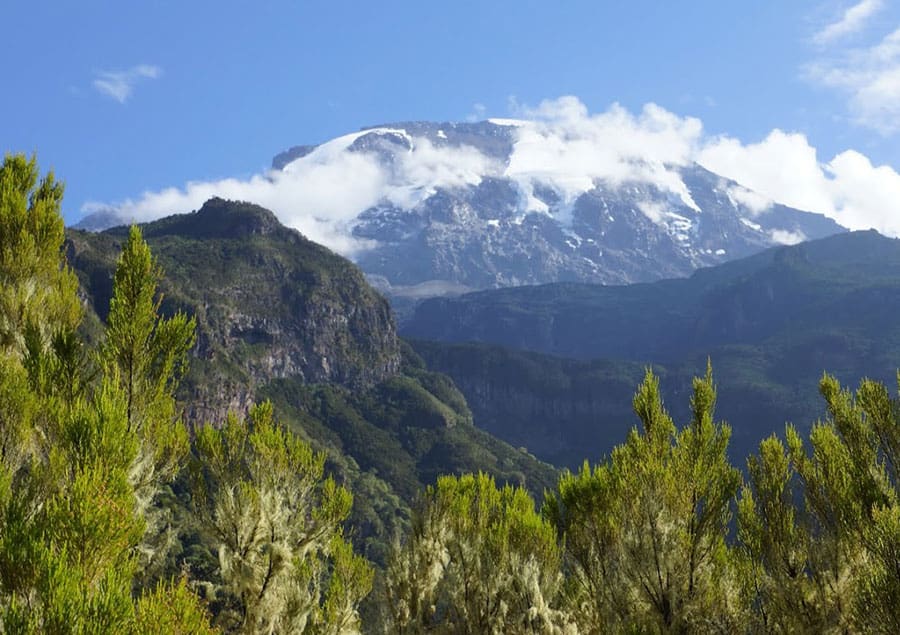
Each day on Kilimanjaro brings new landscapes — from lush rainforests to alpine deserts and icy peaks. Expect 6–8 hours of hiking per day, stunning views, hearty meals, and professional support from your guide and porter team.
We recommend our 12-day Kilimanjaro + Safari package, which includes:
7-day Kilimanjaro climb (Lemosho Route — beginner-friendly)
2-day wildlife safari in Tarangire and Ngorongoro
Arrival, rest, and departure days for smooth transitions
Best Time to Climb Mount Kilimanjaro
The best seasons for climbing are:
Late December to early March
Mid-June to late October
These months offer clear skies, stable weather, and comfortable conditions.
The rainy seasons (April–May and November) still allow climbs — rainfall usually occurs in the afternoon, leaving mornings clear and bright. You’ll also find fewer crowds and greener scenery during these months.
How Much Does It Cost to Climb Kilimanjaro?
In 2025, the average price for a safe, ethical 7-day group climb includes:
National park fees (around 35% of total cost)
Professional mountain crew
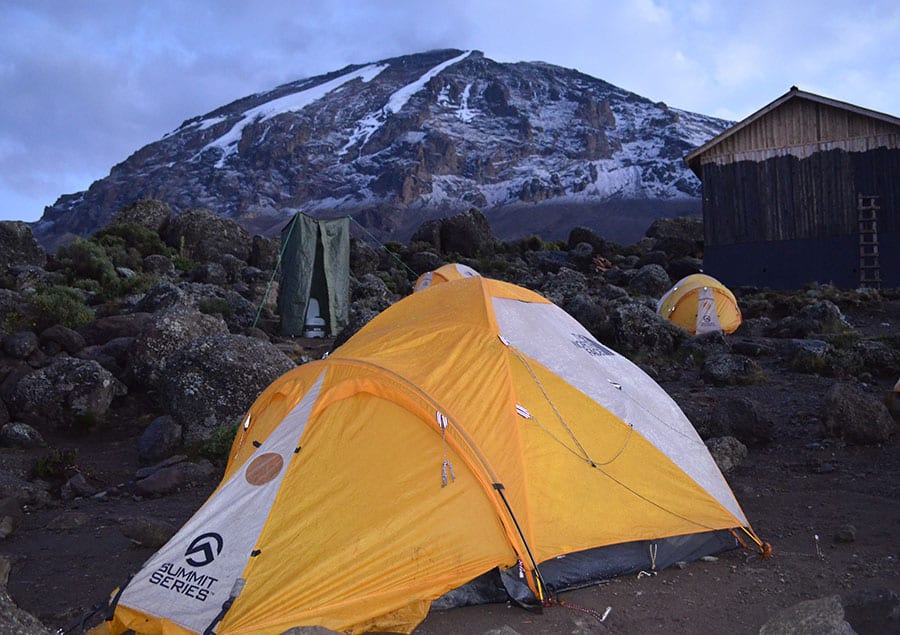
Quality camping gear and meals
Emergency oxygen and medical support
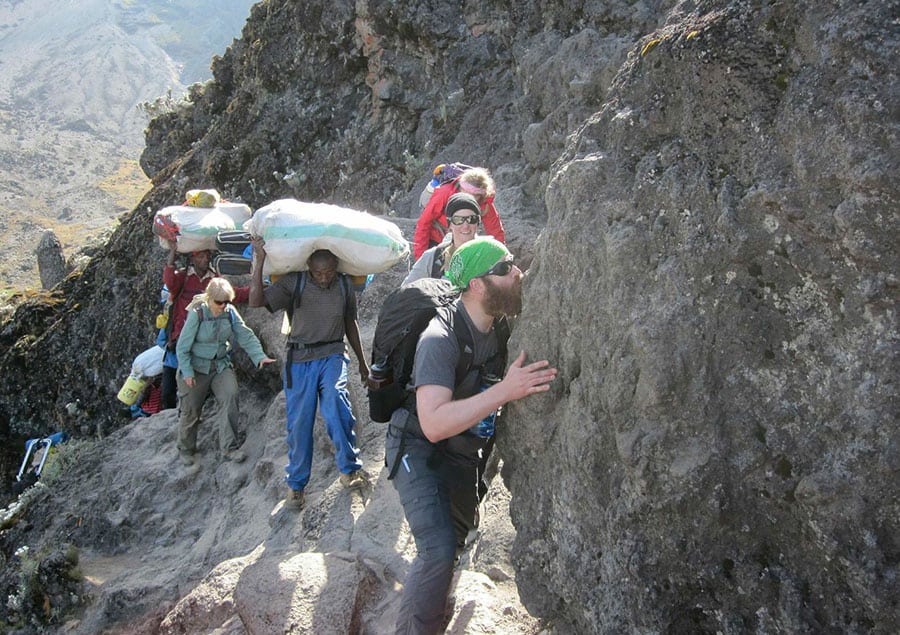
Be cautious of cheaper offers — low prices often mean poor porter welfare, inadequate food, or untrained guides. Safari With a Heart follows Fair Porter Treatment Standards, ensuring every crew member is well-paid, well-fed, and properly equipped.

⚠️ Altitude Sickness & Safety on Kilimanjaro
You don’t need to be an athlete — just moderately fit. We recommend:
Running or brisk walking 5 km (3 mi) comfortably
Hiking 10 km (6 mi) with light elevation gain
Cross-training (swimming, cycling, or stair climbing)
Practice hikes with a loaded daypack
Training for endurance, not speed, is key.
👉 Download Our Kilimanjaro Training Plan for a detailed schedule.
What to Pack for Kilimanjaro
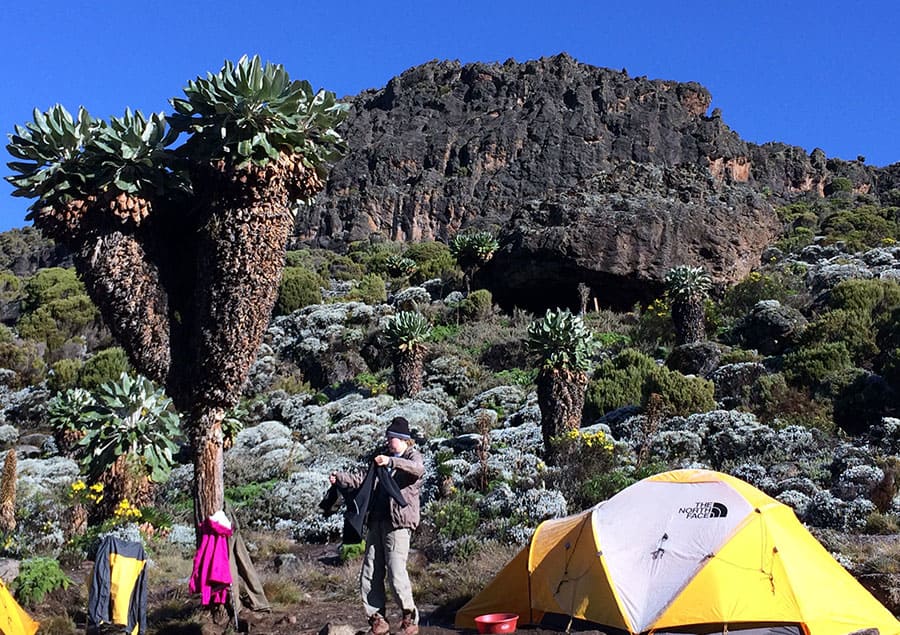
Kilimanjaro spans five climate zones — from humid jungle to Arctic cold. Temperatures range from +20°C (68°F) at the base to –15°C (5°F) at the summit.
Your packing list should include:
Moisture-wicking base layers
Insulating fleece and down jacket
Waterproof shell
Durable hiking boots
Warm hat, gloves, and trekking poles
Sleeping bag rated to –10°C (14°F)
Download our Free Expert-Curated Packing List (PDF) to ensure you’re fully prepared for every climate zone.


Why Climb with Safari With a Heart
- 98% summit success rate on 7-8 day routes
- Certified Wilderness First Responder guides
- Ethical porter treatment & fair wages
- Brand-new camping and safety gear
- 24/7 support from base to summit
- Small group sizes for personalized care
When you climb Kilimanjaro with us, you’re not just reaching a summit — you’re contributing to sustainable tourism that uplifts local communities and protects the mountain for future generations.

Ready to Begin Your Kilimanjaro Adventure?
Plan your climb now!
Fill out our enquiry form or chat with our experts to customize your perfect route and dates.